How to Mix Vintage Furniture Into a Modern Home Without It Looking Like a Museum
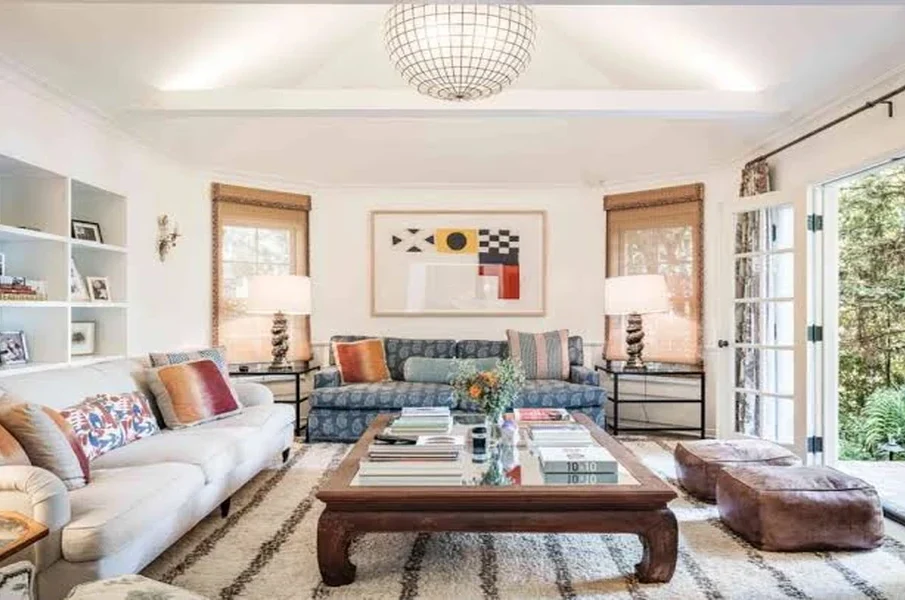
Most people get this wrong on the first try. They find a gorgeous 1960s walnut credenza, haul it home, place it in the living room alongside their IKEA shelving and white sectional, and then stand back wondering why the whole room feels like a time capsule that can’t make up its mind. The piece isn’t the problem. The approach is.
Mixing vintage and modern furniture is one of the most satisfying things you can do to a home. Done well, it adds layers, personality, and a sense that real human beings live there. Done badly, it just looks chaotic. The good news is that there’s a logic to it, and once you see it, you can’t unsee it.
Why the Demand for Vintage Pieces Keeps Climbing
Before getting into the how, it’s worth understanding why so many people are turning to vintage furniture in the first place. Part of it is aesthetics. Craftsmanship from the 1940s through 1970s used solid woods, hand-jointed frames, and dovetail drawers that most budget-tier modern furniture simply doesn’t replicate. A mid-century walnut dresser at 60 years old is often still structurally tighter than a flat-pack chest bought last year.
Part of it is sustainability, too. The U.S. EPA reported that generation of furniture and furnishings in municipal solid waste reached 12.1 million tons in 2018, up from just 2.2 million tons in 1960 , with the EPA’s 2023 durable goods data showing that 80.1 percent of that furniture was landfilled rather than recovered . Choosing a pre-owned piece means one less item in that pile. And the market has noticed: the second-hand furniture market in the U.S. is expected to grow at a CAGR of 6.8% from 2024 to 2030 , according to Grand View Research’s 2024 industry report.
Knowing that your instinct to shop vintage is both good taste and good conscience? That helps. Now, on to making it actually work.
The Anchor vs. Accent Framework
Here’s a framework worth naming, because it solves a lot of problems at once. Before buying anything vintage, decide whether you want the piece to serve as an anchor or an accent.
An anchor is a statement piece that defines the room’s tone. A Drexel Heritage dining table, a restored Eames-era lounge chair, a Tiger Oak wardrobe with original hardware. One per room, maybe two if the space is large. Everything else in the room gets chosen to support it.
An accent is a smaller, quieter vintage element that adds warmth without demanding attention. A 1950s iron magazine rack beside a modern sofa. A ceramic table lamp with a Tiffany-style shade on a clean-lined credenza. A single vintage lithograph matted and framed in a gallery wall that’s otherwise contemporary.
Most rooms that look like museums have three or four anchors competing for attention. Most rooms that feel balanced have one anchor and two or three accents doing quiet, supportive work. Pick your anchor first. Then build.
Practical Rules for Pulling It Off Room by Room
Interior designers who work with antiques are consistent on one thing: the mix only reads as intentional when there’s a connective thread. Elizabeth Krueger, principal designer of Elizabeth Krueger Design, says she’s “obsessed” with adding vintage furniture to interior projects, noting that the pieces “lend soul and interest” to any project, regardless of design style. That soul, though, needs a bridge to the contemporary pieces around it.
“Don’t be afraid to mix styles, it makes for a far more interesting look.”
Elizabeth Krueger, Elizabeth Krueger Design, via Homes & Gardens
The thread can be color, material, or silhouette. Walnut wood tones in a vintage dresser can be echoed in modern floating shelves. The curved arm of a 1950s chair can be answered by a rounded modern coffee table. Black iron details on an antique rack can tie to matte black hardware on contemporary cabinet pulls. You’re not matching. You’re rhyming.
Here’s a quick room-by-room guide:
| Room | Best Vintage Anchor | Supporting Modern Elements |
|---|---|---|
| Living room | Mid-century lounge chair or sofa | Neutral linen sectional, low-profile coffee table |
| Bedroom | Solid wood dresser or chest of drawers | Clean-lined bed frame, modern pendant lighting |
| Dining room | Vintage dining table or sideboard | Contemporary upholstered chairs, simple chandelier |
| Home office | Antique wooden cabinet or bookcase | Minimal desk, modern task chair |
| Entryway | Console table or decorative trunk | Geometric mirror, contemporary lighting fixture |
A Scenario Worth Stealing: The Culver City Apartment Test
Picture this: a minimalist two-bedroom apartment with white oak floors, white walls, and modern furniture throughout. The owner picks up a restored 1960s three-drawer walnut and birch dresser from an antique source and puts it in the bedroom. Against white walls, walnut glows. The brass pulls on the dresser get echoed in a single brass pendant above the bed. A modern reading lamp in matte white sits on top. That’s it. No matching set, no themed accessories, no decorative clutter.
The result reads as curated, not collected. It looks expensive, because it is expensive in the way that real materials made by skilled hands are always expensive, not because anything was bought at full retail price from a design showroom.
That dresser’s character did all the work. The modern pieces framed it. This is the relationship you want every time.
Where to Actually Find the Right Pieces
Big-box vintage marketplaces are fine for accents. For anchors, you need to see the piece in person and check the joinery, the drawer action, the finish condition. Restored inventory from dealers who specialize in a specific era is a better bet than general estate sales, where quality varies wildly and the pricing is often all over the map.
Southern California has historically been one of the richest hunting grounds for mid-century and California-style antiques, partly because of the architecture and partly because of the design culture that took root there in the postwar decades. Shoppers looking for antique furniture in Long Beach will find a genuine concentration of restored, authenticated mid-century pieces in that market, including walnut dressers, MCM cabinets, and restored seating that would cost multiples of the price at a coastal design boutique.
Go with a specific room and a specific gap in mind. “I need a storage piece under 36 inches tall for the bedroom” beats “I’m looking for something cool.” The first gets you a decision. The second gets you buyer’s paralysis in front of a 5,000-square-foot showroom.
The Three Mistakes That Make Rooms Feel Like Museums
Since this is the thing people most want to avoid, here are the three patterns that create the museum effect and how to break them.
Too many anchors. See above. One room, one hero piece. Rotate if you fall in love with multiple things.
Matched sets. A bedroom suite from the same original set, nightstands, dresser, headboard, all period-matched, all original, reads as staged rather than lived-in. Break the set intentionally. Keep the dresser, swap the nightstands for something modern, change the lighting entirely.
No living things. A room full of beautiful old objects with no plants, no textiles with texture, no evidence of daily life feels cold regardless of how good the pieces are. A single trailing pothos, a linen throw, a stack of current books on the vintage side table. These are the signals that someone actually lives here, and they do more for the room than another decorative object ever could.
The goal isn’t to display vintage furniture. It’s to live with it. That distinction, small as it sounds, changes every decision you make from the moment you walk into a showroom.