4 Ways Restorative Dentistry Improves Everyday Function
You notice it in small moments first. You chew on one side because the other hurts. You avoid cold drinks because one tooth sends a sharp signal straight through your jaw. You smile with your lips closed in photos, then tell yourself it is not a big deal, even though it keeps showing up in your day. When a tooth is cracked, worn down, missing, or badly decayed, the problem is not only cosmetic. It changes how you eat, speak, clean your teeth, and carry yourself. For patients exploring laser dentistry in West Des Moines, these everyday disruptions can also be a sign that it is time to seek more precise, comfortable care.
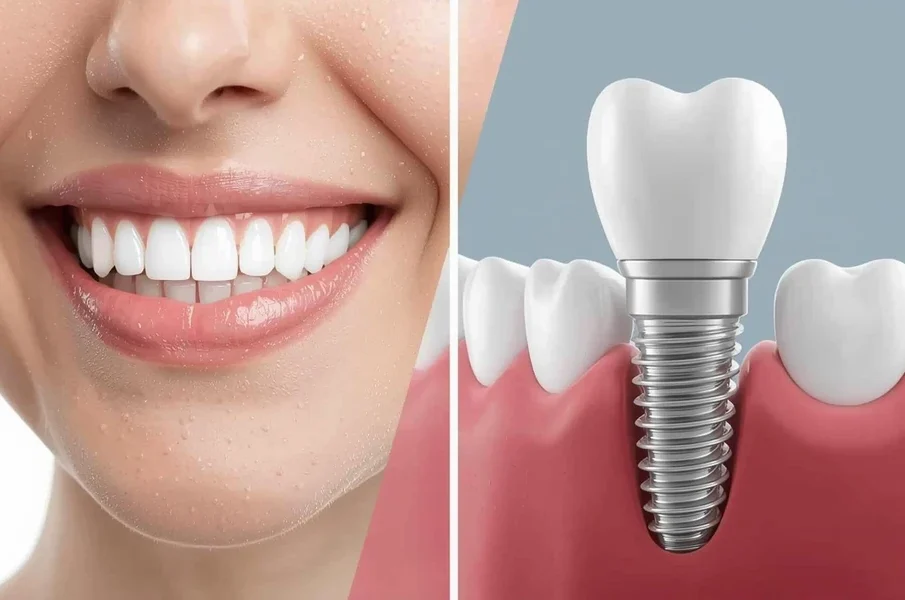
Restorative dentistry is about getting normal life back. Fillings, crowns, bridges, dentures, and dental implants can repair damage, replace missing teeth, and help your mouth work the way it should. That means less strain when you chew, clearer speech, better comfort, and a lower risk of bigger problems later.
Restorative dental care helps you chew without pain or strain
When a tooth is damaged, your mouth starts compensating fast. You chew on the other side. You skip foods you used to enjoy. You take smaller bites and eat slower, not because you want to, but because your mouth is warning you. Over time, that strain can spread. One sore tooth can lead to jaw tension, uneven wear, and pressure on nearby teeth.
Repairing that tooth changes daily function in a very direct way. A filling can seal decay before it deepens. A crown can strengthen a weak tooth so it handles normal biting pressure again. Replacing a missing tooth with a bridge or implant can bring balance back to your bite. According to the National Institute of Dental and Craniofacial Research, oral health shapes basic functions like eating, speaking, and social well-being, as outlined in this report on oral health in America.
You feel the difference where it matters most, at breakfast, during lunch at work, and when you stop planning meals around discomfort.
Missing or damaged teeth can affect speech and facial support
Teeth do more than break down food. They help form certain sounds, especially when your tongue and lips need a stable surface to work against. A missing front tooth or major wear on several teeth can make words feel less crisp. You may find yourself repeating things or speaking more carefully so certain sounds do not slip.
There is also the issue of support. Teeth help maintain the shape of your face, especially when several are missing. Without that support, cheeks can look sunken and the bite can shift. That is not vanity talking. It is structure. The mouth, jaw, and facial muscles work as a system.
Tooth restoration benefits often show up in confidence, but the foundation is function. A well-fitted crown, bridge, or denture can support clearer speech and help preserve the shape and balance of your bite. The National Library of Medicine explains that tooth loss affects chewing efficiency, pronunciation, and oral function in this overview of oral health and aging.
Repairing teeth can make daily oral care easier and more effective
Broken edges, deep cavities, and gaps from missing teeth create places where food and plaque collect. You brush and floss, but it still feels like you cannot get things clean. That frustration is real. Areas that trap bacteria are harder to maintain, and untreated damage tends to get worse, not stay still.
Restorative treatment can make home care more manageable. A properly restored tooth has smoother contours and better contact with nearby teeth. That makes brushing and flossing more effective. Replacing missing teeth can also help prevent neighboring teeth from drifting, which creates even more cleaning challenges.
The National Institute on Aging offers practical guidance on taking care of your teeth and mouth, including daily habits that protect dental work and natural teeth alike. Good home care and timely treatment work together. One does not replace the other.
Restorative dentistry can prevent small issues from becoming expensive ones
A minor cavity can turn into an infection. A cracked tooth can split further until it cannot be saved. One missing tooth can shift the whole bite enough to cause wear, gum problems, and more treatment down the road. This is where people often feel stuck. You may be trying to avoid cost now, while the delay quietly raises the cost later.
Dental restoration is often more manageable when the problem is addressed early. A filling usually costs less and preserves more tooth structure than a root canal and crown after decay reaches the nerve. Replacing one missing tooth early can help prevent movement that affects several others. Function and cost are tied together more than most people realize.
Everyday function improves in different ways depending on the treatment
| Issue | Common Restorative Option | How It Helps Daily Function | What Delay Can Lead To |
|---|---|---|---|
| Small to moderate decay | Filling | Restores chewing surface, reduces sensitivity | Deeper decay, pain, possible root canal |
| Cracked or weakened tooth | Crown | Strengthens tooth, improves bite comfort | Fracture, infection, tooth loss |
| One or more missing teeth | Bridge or implant | Improves chewing balance, speech, and tooth alignment | Shifting teeth, bone loss, bite changes |
| Several missing teeth | Dentures | Supports eating, speaking, and facial structure | Reduced chewing ability, facial collapse, diet changes |
Small steps can move you toward better function fast
Pay attention to patterns. If you always chew on one side, avoid certain foods, or notice new sensitivity, that is useful information. Write it down before your dental visit. Patterns help identify whether the problem is decay, a crack, tooth wear, or a bite issue.
Ask what the problem does if left alone. Many people ask only what treatment costs. Ask what delay changes. Does the crack spread? Will the tooth shift? Could the nerve become involved? That answer often makes the decision clearer than the treatment name alone.
Protect the work after treatment. Brush twice a day with fluoride toothpaste, floss daily, and keep follow-up visits. If you grind your teeth, ask about a night guard. Restorative work lasts longer when the cause of the damage is managed too.
If your teeth have been making ordinary things harder, you are not overreacting. Eating, speaking, and smiling without discomfort should not feel out of reach. General, cosmetic, and restorative dentistry can repair damage and help your mouth function with less effort every day. If something feels off, schedule a dental visit and find out what can be restored before the problem grows.