How Family Dentistry Reinforces Oral Health Lessons At Home
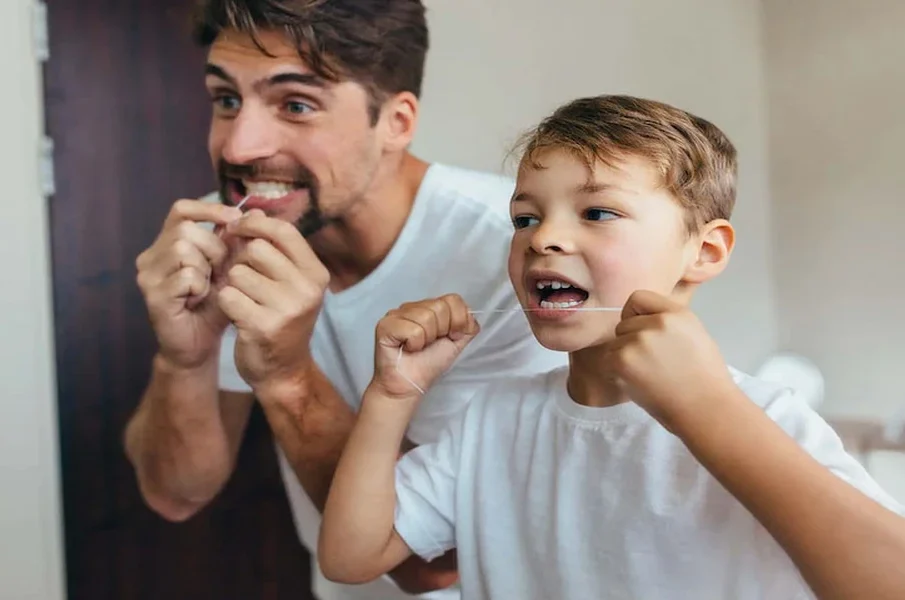
You remind your kids to brush, you buy the toothpaste, you try to keep snacks from turning into an all day sugar cycle, and still, it can feel like oral care slips through the cracks. One child rushes through brushing, another gags on floss, and someone always says their teeth are fine because nothing hurts. That is a common family pattern, and it wears parents down. For families seeking family-friendly orthodontic care in Crest Hill, IL, having the right support can make those daily routines feel much more manageable.
The hard part is that good habits at home need backup. Children learn by repetition, example, and routine, but they also respond when the same message comes from someone outside the house. A family dentist helps turn daily reminders into a shared standard. That is where How Family Dentistry Reinforces Oral Health Lessons At Home becomes more than a nice idea. It becomes a practical way to make brushing, flossing, and regular checkups stick.
Family dentistry gives home routines more structure
Home is where oral health habits begin, but home is also where life gets messy. Bedtime runs late. Sports practice cuts into dinner. A child gets braces and suddenly brushing takes twice as long. Parents know what should happen, yet keeping that routine steady is another story.
A family dentist adds structure because the advice is consistent, specific, and tied to real outcomes. When a child hears, “Brush along the gumline because plaque builds there,” and then hears the same thing again at home, the lesson lands differently. It stops sounding like a random rule and starts sounding like a clear expectation.
This matters for adults too. Kids watch what you do far more than what you say. If your own cleanings are delayed, or you skip flossing because you are tired, they see that. Family dental care at home works better when the whole household treats oral health as a normal part of self care, not a punishment after candy.
Children respond when oral health lessons feel real
A child who hears “brush better” may ignore it. A child who sees plaque disclosed at a dental visit, or hears that a small weak spot could turn into a cavity, suddenly understands cause and effect. That is one of the strongest benefits of a family dentist. The lesson becomes real without becoming scary.
Parents often run into the same problem. You know your child should floss, but you are not sure whether the technique is right, whether bleeding gums are normal, or when thumb sucking, mouth breathing, or crowded teeth start affecting long term health. A family dentist can answer those questions in the moment and tailor advice to each age group in your home.
That kind of guidance keeps small issues from becoming expensive ones. A rushed brushing habit can turn into decay. Dry mouth from medication can raise risk in adults. A teen with aligners may need a very different cleaning routine than a younger sibling. General advice helps, but a family dentist connects those lessons to your family’s real habits.
Consistent dental care supports healthier habits between visits
Regular visits do not replace what happens at home. They reinforce it. Professional cleanings remove buildup that brushing misses, and exams can catch changes early. More than that, they create checkpoints. Families do better with habits when there is a rhythm to follow.
The National Institute of Dental and Craniofacial Research offers clear oral hygiene guidance for brushing, flossing, and daily care. The CDC also shares practical oral health tips for children that help parents set age appropriate routines. When those trusted recommendations line up with what your dentist says in the chair, children hear one message instead of three conflicting ones.
| Home Lesson | Without Dental Reinforcement | With Family Dentistry Support |
|---|---|---|
| Brush twice a day | Feels like a rule with no clear reason | Linked to plaque control, cavity prevention, and fresh breath |
| Floss daily | Often skipped because it seems optional | Shown as part of cleaning where a brush cannot reach |
| Limit sugary snacks and drinks | Turns into constant bargaining at home | Connected to enamel damage and decay during visits |
| Keep regular checkups | Seen as unnecessary if nothing hurts | Framed as prevention and early detection |
Small changes at home become stronger with family dental support
Parents often think they need a perfect system before habits improve. You do not. You need a routine your family can repeat. That might mean brushing right after breakfast instead of before the school scramble, keeping floss picks where teens will actually use them, or setting a two minute timer at night so no one rushes through.
When dental visits reinforce those same choices, the routine feels less negotiable. That is the quiet strength of oral health education in family dentistry. It turns daily care from a parent child power struggle into a shared health habit.
Three steps you can take right away
Build one simple routine and protect it. Pick the part of the day your family can repeat most reliably, usually after breakfast and before bed. Keep toothbrushes, fluoride toothpaste, and floss easy to reach. Do not aim for elaborate. Aim for consistent.
Use the same language your dentist uses. If your child heard “brush at the gumline” or “sugar feeds cavity causing bacteria,” repeat those exact phrases at home. Familiar wording helps children connect home care with what they learned during a visit.
Track habits, not perfection. A simple calendar, sticker chart, or phone reminder can help. If a day goes badly, start again the next morning. Oral health improves through repetition, not guilt.
Family dentistry helps healthy habits last
Most families are not struggling because they do not care. They are struggling because daily life is full, kids resist routines, and oral health problems often stay invisible until they become painful or costly. A family dentist helps close that gap by reinforcing the lessons you are already trying to teach at home.
When the same message comes from both the bathroom sink and the dental chair, habits become easier to keep and easier to believe in. If your family is ready for steadier routines and better support, schedule a visit and start building those habits together.