The Role of Reliable Contractors in Concrete Repair and Restoration across Hawaii
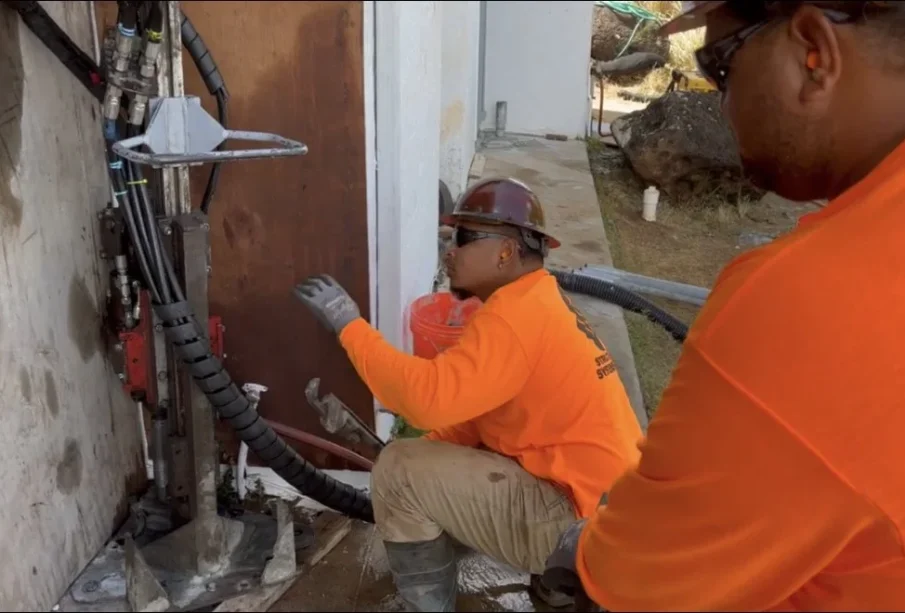
Salt air, heavy rain, and shifting ground place constant pressure on concrete structures across Hawaii. Driveways, foundations, walkways, and commercial slabs face gradual wear from moisture and mineral exposure. Reliable contractors serve a key role in protecting these surfaces and restoring strength where damage appears.
Cracks, spalling, and surface erosion can signal deeper structural concerns. Skilled professionals, for example, a trusted structural systems contractor in Hawaii, understand local climate patterns and material behavior under coastal conditions. Their expertise supports long-lasting repairs that preserve safety and appearance.
Accurate Damage Evaluation and Surface Diagnosis
Reliable contractors begin each project with a thorough condition review. Visual checks identify cracks, scaling, and discoloration across exposed surfaces. Sounding tests help locate hollow spots beneath the surface layer. Careful assessment ensures the repair method matches the actual issue.
Moisture presence, load stress, and previous repair attempts receive close attention. Technicians study how water enters and exits the structure. Traffic patterns and environmental exposure influence wear zones. A clear diagnosis prevents unnecessary removal or patching.
Common Signs Contractors Look For
Experienced teams in Hawaii rely on specific indicators to understand structural health. Each sign points toward a different repair need.
- Fine surface cracks suggest shrinkage or minor settlement. These areas may require sealing and surface protection.
- Deep fractures across slabs indicate structural stress. Reinforcement or sectional replacement may be necessary.
- Flaking or chipping concrete signals freeze-thaw or salt exposure damage. Surface restoration compounds help rebuild lost material.
- Rust stains near joints reveal reinforcement corrosion below. Treatment targets steel protection and crack closure.
Preparation Practices That Ensure Lasting Repairs
Surface preparation sets the foundation for successful restoration. Contractors in Hawaii remove loose particles, contaminants, and deteriorated layers. Mechanical grinding or pressure washing creates a clean bonding surface. Proper preparation improves adhesion between old and new material.
Edges around damaged zones receive shaping to prevent weak transitions. Dust removal remains essential before applying repair compounds. Moisture control also influences bond strength. Careful groundwork reduces the chance of future separation.
Material Selection for Coastal Durability
Hawaii’s environment demands materials that resist moisture, salt, and temperature shifts. Reliable professionals choose products designed for marine or tropical exposure. Repair mortars with corrosion inhibitors protect internal steel components. Flexible sealants accommodate slight movement without cracking.
Admixtures improve resistance against water penetration and chemical attack. Polymer-modified overlays enhance surface durability. High-performance coatings shield exposed slabs from further erosion. Thoughtful material choice supports structural integrity over time.
Repair Techniques Applied by Skilled Crews
Trained teams apply methods suited to the type and severity of damage. Each technique addresses a specific structural or surface issue.
- Crack injection uses epoxy or polyurethane to seal internal voids. This process restores continuity and limits moisture entry.
- Patch repairs rebuild missing sections with compatible mortar blends. Proper curing strengthens the repaired area.
- Overlay systems refresh worn surfaces with a new protective layer. These systems improve texture and appearance.
- Joint restoration replaces failing fillers and seals gaps. Flexible materials accommodate expansion and contraction.
Safety, Compliance, and Quality Assurance
Reliable contractors, for instance, a trusted structural systems contractor in Hawaii, follow strict safety standards during every phase. Protective gear and controlled work zones reduce risk on-site. Equipment use adheres to manufacturer guidelines. Organized procedures prevent accidents and material waste.
Building codes and local regulations guide repair practices. Documentation tracks materials, methods, and inspection results. Quality checks confirm proper thickness, alignment, and finish. Strong oversight maintains performance expectations.
Long-Term Maintenance Guidance
Professional service extends beyond the repair phase. Contractors provide property owners with maintenance recommendations. Regular cleaning prevents the buildup of harmful deposits. Prompt sealing of minor cracks avoids water intrusion.
Drainage improvements help reduce surface saturation. Periodic inspections detect early signs of wear. Protective coatings may require renewal after several years. Consistent care protects the investment and prolongs service life.
Reliable contractors thus play a central role in preserving concrete strength across Hawaii. Accurate evaluation, proper preparation, and durable materials support lasting repairs. Skilled workmanship keeps structures safe, stable, and visually appealing.