A Driver’s Guide To Protecting The Paint: Paint Protection Film
The number of car owners is growing steadily across the world. Though as the numbers grow, the need to understand and find effective cures for the issues with the daily usage of vehicles is paramount. A frequent car user is painfully aware of the cost of the depreciation that occurs to the vehicle just because of the recurring usage.
While accidents and bigger security issues are often flagged and known as notorious costs attached to vehicle ownership, scratches and marks, owing to road debris, contact, and environmental causes, there is also slow but consistent damage to the outer surface of the vehicle. Over time, paint protection film is being embraced as a sustainable and protective solution against these issues. This thin layer is a clear cover over the painted surface of the vehicle and protects against everyday wear and tear.
What Is The Paint Protection Film?
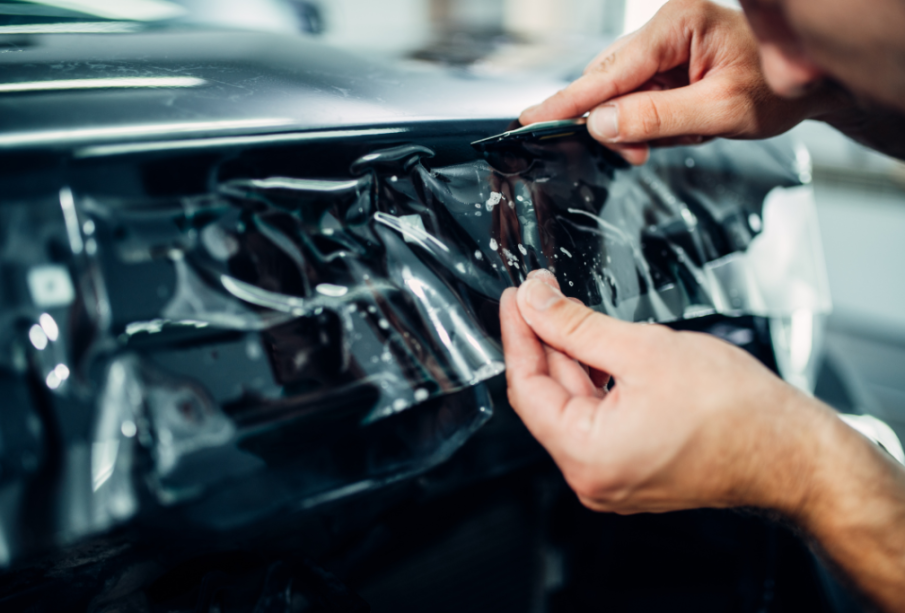
A paint protection film, or PPF, is an innovative thermoplastic urethane film installed directly over the painted surface of the car. It is hydrophobic in character and therefore repels water, dirt, and grime from the surface. The film is capable of absorbing physical impact and surface contact, thus significantly reducing the risk to the vehicle’s painted surface.
Generally, certain areas of a vehicle sustain damage well before the other areas. The front bumper and the hood face the most consistent exposure to road debris. Door edges and mirrors are more prone to everyday scratches due to parking. Rocker panels collect road grit and moisture over time. Further, environmental contaminants can cause paint etching that becomes difficult and expensive to reverse once it sets in. Vehicle owners looking to identify which areas need priority coverage can go here to understand how protection is typically mapped to the most vulnerable surfaces.
However, it is not a one-size-fits-all solution. The coverage of the film can be tailored depending on how a vehicle is used and how much exposure it regularly faces. Different tiers of coverage exist, which extend from protecting high-impact zones like the front bumper and hood edges, to full front-end coverage, to comprehensive full-vehicle protection for long-term ownership.
How to Maintain Paint Protective Film?
The PPF is designed for real-life usage. The maintenance is simple and requires no additional care. A simple factory wash, just as it is done for the painted surface of the vehicle, can help clean it. Moreover, a quality PPF would be built to sustain continued usage of 5 to 10 years, even when faced with frequent freeway and commuter driving. Minor surface marks that accumulate through everyday use may diminish naturally with heat exposure, reducing the need for active maintenance.
An expert installed PPF that effectively secures the above benefits, and when removed with the same precaution, prevents any damage to the original painted surface. For vehicle owners weighing the cost of ongoing paint repairs against a single preventative investment, PPF consistently proves its value over time. Those ready to explore professional installation options can go here for a clearer understanding of what the process involves and what results to expect.