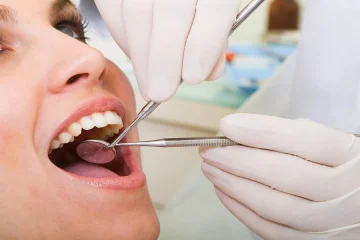
6 Signs Your Implant Crown May Need An Adjustment

You expected your implant crown to feel like part of your mouth, not something you keep noticing when you chew, talk, or run your tongue across it. When that crown feels a little off, it can sit in the back of your mind all day, and you may even start searching for terms like root canal Queens while wondering what to do next. You might wonder if you are overreacting, if it will settle on its own, or if calling an implant dentist means a bigger problem is coming.
That uneasy feeling makes sense. An implant crown does not need to be painful to need attention. Small fit problems can turn into bite strain, gum irritation, food trapping, or wear on nearby teeth. The good news is that many of these issues can be corrected with a simple adjustment, especially when you catch them early.
An implant crown that feels wrong usually shows up in small daily moments
The first sign is a bite that feels high or uneven. You close your teeth and one spot hits before the rest. You may notice it most when eating, or after a long day when the area feels tired. A crown that takes too much force can stress the implant components and the teeth around it.
The second sign is soreness in the gum around the crown. Healthy implant tissue should not feel constantly irritated. If the gum looks red, puffy, or tender when you brush, the shape of the crown may be pressing on the tissue or trapping plaque where it is hard to clean. Research on oral health and long term dental outcomes continues to show how closely gum health and daily maintenance are tied to success. The National Institute of Dental and Craniofacial Research report on oral health in America gives a broad look at those patterns.
The third sign is food getting stuck around the implant crown more than it should. You eat once and reach for floss right away because the same area keeps packing food. That is not just annoying. Repeated food trapping can inflame the gum, create odor, and make the crown feel less stable over time.
The fourth sign is clicking, movement, or a strange pressure feeling. Implant crowns should feel secure. If something shifts when you chew, or you notice a faint click, the crown or screw may need evaluation. Even if the movement seems slight, that is not something to ignore.
The fifth sign is discomfort in the jaw, opposite teeth, or nearby teeth. Sometimes the implant itself is not what hurts. A crown that is a little too high can change how you bite, and then the stress shows up somewhere else. You wake up with tension, you avoid chewing on one side, or a natural tooth nearby starts feeling sensitive.
The sixth sign is speech changes or an odd bulky feeling. This happens more often with front teeth, but any crown that feels too thick, too long, or awkward against the tongue can affect comfort. If you keep noticing it weeks after placement, it may need reshaping rather than more time.
Delaying implant crown adjustment can turn a minor fix into a bigger repair
People often wait because the problem feels tolerable. It is not severe pain, just a low grade annoyance. That is exactly how bite issues and fit problems linger. You adapt by chewing differently, brushing around a sore spot, or telling yourself you can live with it. Then the gum gets more inflamed, the screw loosens, or the opposing tooth starts taking extra force.
This is where a dental implant crown adjustment can make a real difference. A careful exam can show whether the issue is the bite, the contour of the crown, cement residue, access to cleaning, or a mechanical problem with the restoration. In many cases, the fix is much simpler than people expect.
Regular follow up matters here. The chairside implant recall guide outlines how clinicians monitor implant restorations for tissue health, prosthetic wear, and bite changes over time. That kind of follow up catches problems before they become expensive.
Professional adjustment protects the implant better than home fixes
When a crown feels rough or high, it is tempting to wait it out or try to work around it. Some people chew on the other side for months. Others brush harder, floss more aggressively, or assume soreness means they just need to “get used to it.” None of that corrects the source of the problem.
| Situation | What You Might Notice | Risk of Waiting | What a Professional Adjustment Can Do |
|---|---|---|---|
| High bite | One tooth hits first, pressure when chewing | Jaw strain, wear on opposite teeth, screw stress | Refine bite contact so force is more even |
| Gum irritation | Redness, tenderness, bleeding when brushing | Plaque buildup, tissue inflammation, cleaning difficulty | Adjust crown contour and check for trapped cement or debris |
| Food trapping | Floss catches food in the same spot daily | Bad odor, sore gum, ongoing inflammation | Improve contact and shape to reduce packing |
| Loose or clicking crown | Movement or sound when biting | Component wear or crown failure | Tighten, repair, or replace parts as needed |
If you have noticed any of these patterns, a loose implant crown signs search may have already sent you down a rabbit hole. The better move is a direct exam. Implant restorations are precise, and small changes matter. This is one place where a general online answer does not replace a hands on assessment from an implant crown adjustment provider.
Three steps you can take right now
Pay attention to the pattern. Notice when the problem shows up. Is it only while chewing, only in the morning, or every time you floss that area? A clear pattern helps the dentist find the cause faster.
Keep the area clean without forcing it. Brush gently at the gumline and floss or use the cleaning tool your dentist recommended. If the area is sore, do not jab at it or scrub harder. More force does not fix a crown that needs reshaping.
Book an exam before the discomfort becomes your normal. If the crown feels high, traps food, irritates the gum, or seems to move, schedule a visit with an implant dentist. Early adjustment is usually easier, faster, and less costly than waiting for damage to build.
A small adjustment now can protect your implant for years
You do not need to wait for sharp pain or obvious failure to take an implant crown seriously. If something feels off, that feeling matters. Bite pressure, gum irritation, and subtle movement are often the first clues that the crown needs attention. Getting it checked now can spare you bigger repairs later and help your implant feel the way it was supposed to feel from the start.
If your crown has been bothering you, reach out to an implant dentist and have it evaluated.