Baby Elephant Displays Frequently Point to Breeding Programs Built for Profit
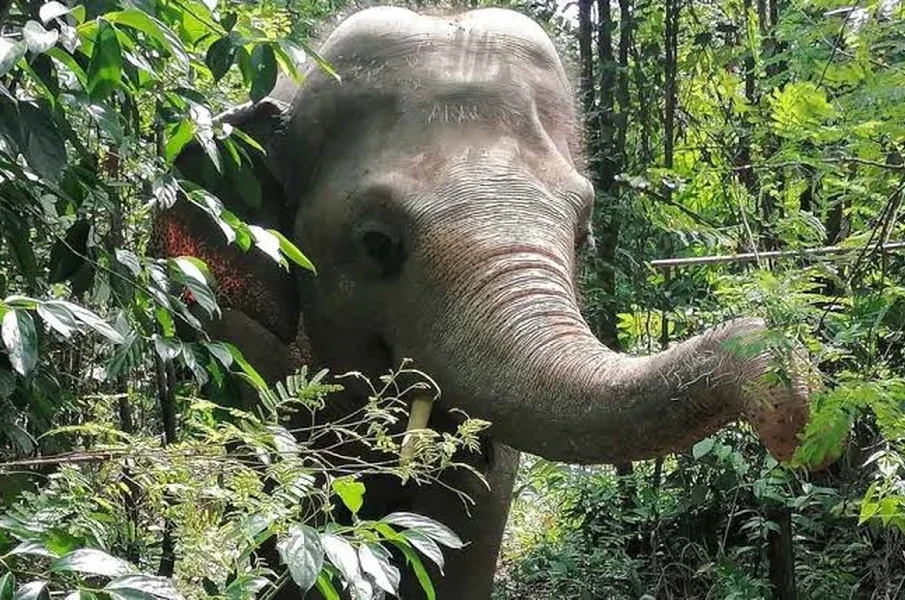
Tiny trunks and wobbly steps draw instant affection from almost every visitor. Anyone searching for the best elephant sanctuary in thailand should pause before cooing over a young calf. Many camps keep newborns on show because cute youngsters attract paying crowds. Those calves rarely arrive by accident. Captive births are often planned to keep ticket sales steady. Understanding that pattern helps guests support places focused on rescue rather than revenue.
Calves Belong with Mothers
In the wild, young calves stay close to their mothers for years. They nurse for roughly two to four years. Female relatives help guard them within the family group. Separation at a young age causes lasting distress.
Young Calves Attract Crowds
Small calves bring more visitors than adult animals do. Photo deals with youngsters often cost extra. Camps therefore have a strong reason to keep births happening. Each new arrival becomes a marketing tool rather than a family member.
Warning Signs Worth Noticing
Certain clues suggest captive births happen for money. Look for these signs during research or visits.
- Multiple young calves appear across different camp locations at once.
- Calves pose for pictures without their mothers standing nearby.
- Guests are invited to hand-feed or cuddle the youngsters.
- Adult females appear pregnant again soon after giving birth each time.
- Advertisements highlight newborns as the main reason to visit.
- Staff avoid answering questions about where the calves came from.
- Young animals wear chains or ropes during public interaction times.
- Websites describe planned births as conservation without any release plans.
Life After Growing Up
Calves stop being novelties once they grow larger. Many then move into riding or performance work. Training for those roles often involves harsh methods. The cycle continues as camps seek newer youngsters to replace them.
What Happens When Calves Leave Their Mothers Early?
Early separation removes a calf from its main source of milk, guidance plus protection. Young animals taken too soon often show signs of stress, including rocking, poor appetite, or withdrawal from others.
Mothers suffer too, sometimes calling out or searching for their missing young. In tourist camps, separation usually happens so calves can be trained or used for close contact with guests. Responsible refuges keep mothers with their calves, allowing family bonds to develop on their own timeline.
Genuine Refuges Avoid Mating
Responsible centres do not plan births for tourism. Occasionally a rescued female arrives already pregnant, which a good refuge explains openly. Anyone comparing options for the best elephant sanctuary in thailand should look for a clear written policy on this.
Natural Herds Versus Camps
Life for a calf looks very different in each setting. Family structure, daily routine plus prospects all change. The table compares typical conditions. Use it to judge what you see on site.
| Aspect | Natural Family Herd | Tourist Camp |
| Time with mother | Many years together | Often only months |
| Daily routine | Nursing, playing plus learning | Posing for guests |
| Social group | Aunts, siblings plus cousins | Mostly humans plus handlers |
| Handling | No human control | Ropes, hooks or chains |
| Future | Lifelong place within the herd | Riding or show work later |
Calf Concerns FAQ
- How long do calves stay with mothers? Females stay for life; males leave as teenagers.
- Do refuges ever have newborns? Rarely, usually when a rescued female arrives already pregnant.
- Are captive births good for conservation? Not when calves are never released or protected properly.
- Should guests pay extra for calf pictures? No, that money encourages more planned births.
- What signs suggest early separation? Rocking, poor appetite, or a calf kept alone.
- How can guests confirm a no-mating policy? Read written policies, then ask staff directly.
Family Bonds Matter Most Here
Little ones posing for pictures usually signal money driving reproduction. Early separation harms mothers along with their offspring. Grown animals later face riding or performance work. Book refuges that publish written bans on deliberate births or close contact. Patient choices made trip after trip protect herds far better than fleeting photos.