Current Trends Influencing Traffic Control Equipment Rentals Across Urban Areas
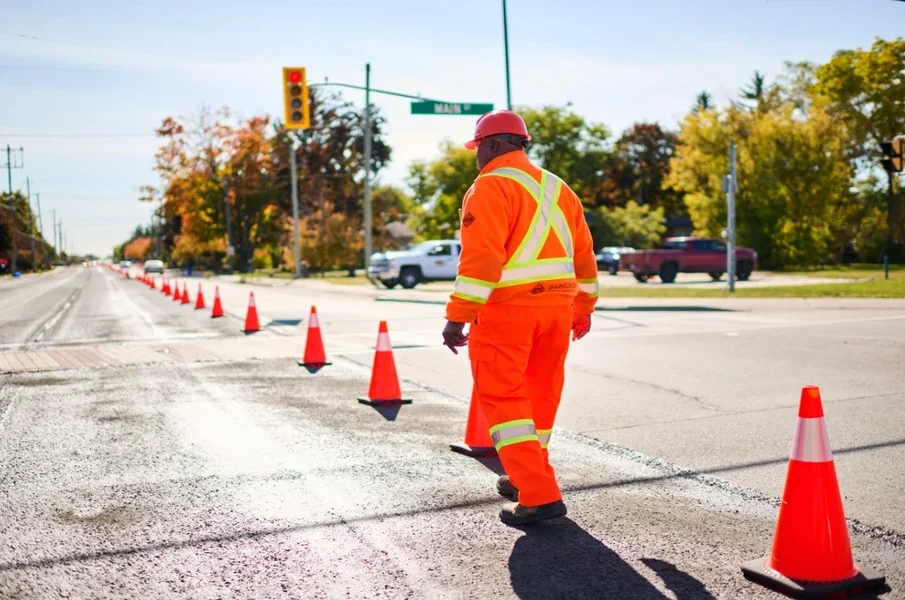
The surge in major infrastructure projects and rising traffic densities are transforming how urban spaces manage the flow of vehicles and people. Contractors and municipalities alike are rethinking traffic control strategies as technology, regulations, and urban complexity reshape the market for equipment rentals. Nowhere is this more evident than in rapidly expanding cities like Toronto, where the landscape of traffic control equipment rentals is evolving at a remarkable pace.
Evolution of Traffic Control Equipment Rentals in Urban Areas
Traditional Equipment vs. Modern Innovations
For decades, traffic control relied on basic barricades, cones, and static signs. But that playbook is quickly fading as cities demand smarter, more adaptive solutions. Modern equipment now features solar-powered message boards, high-visibility LED arrow boards, and even remote-controlled portable signals. These innovations not only improve safety and efficiency but also allow for rapid adjustments as project needs shift.
Regional Variations: Toronto and Broader Ontario Perspective
Toronto’s relentless pace of construction and frequent special events create a constant demand for temporary control solutions. The greater Ontario region, meanwhile, sees seasonal spikes and rural-urban differences in equipment needs. Providers have to adapt their fleets to cover dense downtown corridors, sprawling suburban developments, and critical highway projects, each requiring a tailored approach.
Key Trends Shaping the Market
Rise of Smart and Connected Devices
Smart equipment is taking center stage. Arrow boards and message boards, once limited by manual updates, now boast cellular connectivity, allowing remote programming and real-time condition changes. This connectivity means fewer on-site visits, reduced labor costs, and the ability to respond instantly when conditions shift. As cities embrace “smart” infrastructure, demand for these advanced units continues to climb.
Increasing Demand for Flexible Rental Terms
Long gone are the days when equipment sat unused between projects. Urban contractors and municipalities now favor flexible rental contracts, sometimes needing gear for just a weekend event, other times for year-long infrastructure overhauls. Service providers, aware of this shift, offer both short- and long-term rentals, as well as package deals for multi-phase or recurring work zones.
Emphasis on Safety and Compliance Standards
With regulatory frameworks like Ontario Traffic Manual Book 7 and the Occupational Health and Safety Act (OHSA) setting strict standards, compliance is non-negotiable. Equipment must meet color, size, and retroreflectivity guidelines before it ever reaches the street. Major Canadian providers like Salus Traffic equipment rentals ensure their entire fleet is inspected and certified, giving clients peace of mind.
Comparative Analysis of Equipment Types
| Equipment Type | Modern Features | Primary Use Cases | Rental Flexibility |
|———————|——————————-|———————————–|———————|
| Arrow Boards | High-visibility LED, portable | Lane closures, tapers | Short/Long-term |
| Message Boards | Solar power, cellular remote | Detours, speed advisories | Phased projects |
| Barrels & Cones | Reflective, stackable | Channelization, hazard marking | Daily/Extended |
| Barricades/Signage | OTM Book 7 compliant | Construction, regulatory signage | On-demand |
Arrow boards come in trailer, truck, and compact portable formats, each suited to different site conditions. Message boards’ solar-powered and remotely programmable designs are popular for multi-phase undertakings. Channelization tools, from standard traffic barrels to custom signage, remain foundational but are continually updated for greater reflectivity and durability.
Rental Service Models and Customer Needs
Short-term rentals accommodate events or brief lane closures, while long-term agreements serve sprawling, multi-month builds. Providers have responded with customizable packages, enabling clients to scale up or down as project demands shift. Logistics play a crucial role, particularly in dense city centers where delivery and retrieval can be hampered by congestion. Efficient fleet management and responsive service are now vital differentiators.
Integration of Traffic Management Services with Equipment Rentals
Cities and contractors increasingly seek turnkey solutions. Full-service providers not only rent equipment but also deliver traffic management operations, prepare traffic plans, and offer engineering support. Complementary services such as sign installation and pavement marking further streamline urban works, reducing coordination hassles and ensuring compliance from planning through execution.
Environmental and Technological Influences
Sustainability is no longer an afterthought. Solar-powered message boards and LED arrow boards lower energy consumption, cut emissions, and shrink operational costs. The ability to remotely update message boards means fewer vehicle trips for technicians and faster public communication, an essential advantage during emergencies or fast-changing construction schedules. Urban infrastructure booms, from transit corridor overhauls to downtown revitalizations, continue to drive demand for these environmentally friendly, tech-enhanced solutions.
Challenges and Opportunities in Urban Traffic Control Rentals
Navigating a maze of municipal regulations across the Greater Toronto Area pushes rental companies to stay agile. Meeting local traffic ordinances, adjusting to site-specific requirements, and adapting to new safety mandates keep the market dynamic. Urban congestion adds a layer of complexity, making timely delivery and pick-up a logistical challenge. The future offers tantalizing opportunities: automation, integration with citywide traffic management systems, and even AI-powered equipment dispatch could redefine the industry.
Case Studies and Practical Applications
Toronto’s major infrastructure renewals highlight the merits of tailored equipment choices. Multi-phase projects often combine solar message boards, truck-mounted arrow boards, and extensive channelization kits, adapting as project stages evolve. Events and emergency scenarios lean heavily on rapid-deployment solutions and flexible rental terms. Lessons from these urban work zones emphasize the value of adaptive, tech-forward rentals and the expertise of integrated service providers.
Urban traffic control is no longer static. As cities build, rebuild, and reinvent themselves, the trends shaping equipment rentals reflect a market in motion: more connected, more compliant, and more responsive than ever before.