CBD Testing Labs Confront Synthetic Urine Challenges
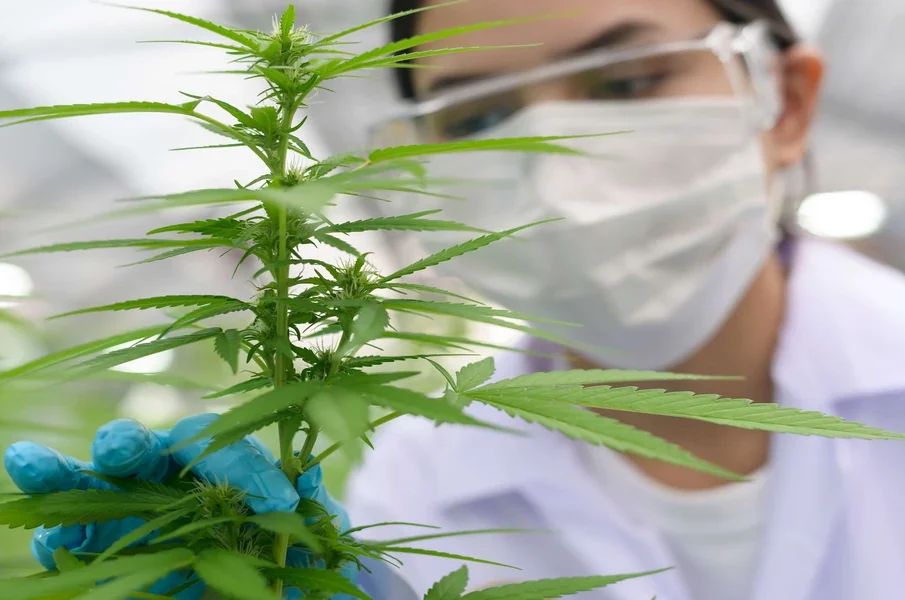
CBD and THC testing laboratories, which deal with wellness-related products made from hemp, are currently encountering increasing challenges. There has been an increase in consumer interest, leading to laboratories being tasked with ensuring that each sample taken reflects true results. Substitutes, especially best fake urine, have become problematic, interfering with the accuracy of drug testing procedures.
Market Disruption and Hidden Risks
There has been rapid growth in the production of fake samples. Products that are sold as best fake urine are presented by manufacturers as an opportunity for people to circumvent compliance requirements. This not only impacts the wellness field through scientific research but has far-reaching implications within various sectors that rely on testing.
Scientific Countermeasures in Action
In order to counter such challenges, laboratories are utilizing innovative detection mechanisms. Chemical profiling, thermal consistency testing, and even digitization technology are part of current methods used. However, producers of best fake urine keep developing their products, forcing laboratories to keep up through constant changes. This leads to technological battle between the two sides.
Impact on Hemp‑Focused Studies
Hemp compound-based research requires exact information. Whenever there is counterfeit evidence in such researches, findings may become compromised. The introduction of best fake urine poses a serious threat to the quality and credibility of findings, making wellness advancement much slower.
Ethical and Cultural Dimensions
Aside from purely technical issues, there is also a more fundamental issue that has to be taken into account why people decide to produce and use fakes at all? In the context of testing centers operating in the hemp-related well-being industry, the problem goes far beyond technical aspects and becomes one of cultural nature. To combat abuse, it is necessary to engage education and transparency, as well as stick to ethical responsibilities.
Building Trust Through Innovation
We have just experienced the emergence of fakes and how it impacts the hemp-related field. Those testing centers that focus on innovations, increase security levels, and develop a culture of ethical responsibility would be able to maintain and develop credibility in the future. The appearance of such a phenomenon like fake urine proves the necessity of vigilance and provides laboratories with new opportunities to do so.
Strengthening the Path Ahead
Research facilities that have dedicated themselves to the study of wellness know that every problem represents an opportunity for new solutions. In tackling the threat posed by artificial counterparts, not only do they ensure that their experiments are protected from any form of contamination, but they also enhance the level of confidence of the public in the entire concept of wellness.