How the Season Should Influence Your Wedding Dress Choice
Choosing a wedding dress is often seen as a matter of style, but the season can be just as important as the silhouette itself. Weather affects comfort, fabric performance, photography, accessories, and even how you move throughout the day.
A gown that feels perfect during a cool autumn ceremony may become uncomfortable at a midsummer garden wedding, while a lightweight dress designed for warm climates may not provide enough warmth for a winter celebration. Thinking about the season early in the planning process helps brides make decisions that feel both beautiful and practical.
Spring Weddings
Spring is a season of fresh beginnings, making it one of the most popular times for weddings. Temperatures are generally comfortable, gardens begin to bloom, and natural light creates soft, romantic photographs.
Many spring brides choose flowing silhouettes, delicate lace, light organza, or soft tulle that complement the freshness of the season without feeling heavy.
Summer Celebrations
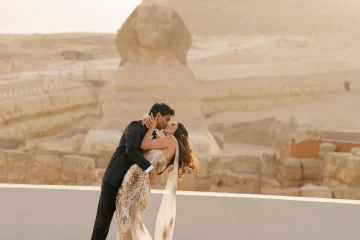
Summer weddings often involve outdoor ceremonies, destination locations, or beach venues. Warm temperatures make lightweight fabrics especially important.
Chiffon, crepe, breathable satin, and softly structured silhouettes allow brides to stay comfortable while maintaining an elegant appearance throughout the day.
Brides planning warm-weather ceremonies frequently browse collections of summer wedding dresses to explore styles designed specifically for outdoor celebrations.
Autumn Elegance
Autumn offers rich colors, cooler evenings, and beautiful natural scenery. Long sleeves, luxurious satin, textured lace, and deeper ivory tones often complement the atmosphere perfectly.
The season also allows brides to experiment with elegant wraps, capes, or detachable sleeves without compromising comfort.
Winter Romance
Winter weddings create a completely different mood. Candlelight, historic venues, snowy landscapes, and formal evening receptions pair beautifully with structured fabrics such as mikado and satin.
Long sleeves, illusion details, and dramatic trains often feel especially appropriate during winter celebrations.
Fabric Is More Important Than Most Brides Realize
While silhouettes usually receive most of the attention, experienced bridal consultants often begin by discussing fabric.
Different materials react differently to temperature, humidity, and movement. Satin provides elegant structure, chiffon creates effortless flow, lace adds timeless texture, while crepe balances comfort with modern sophistication.
Understanding these differences before shopping can make the selection process significantly easier. A detailed wedding dress fabrics guide explains how each material performs across different seasons and wedding styles.
Consider Your Venue Too
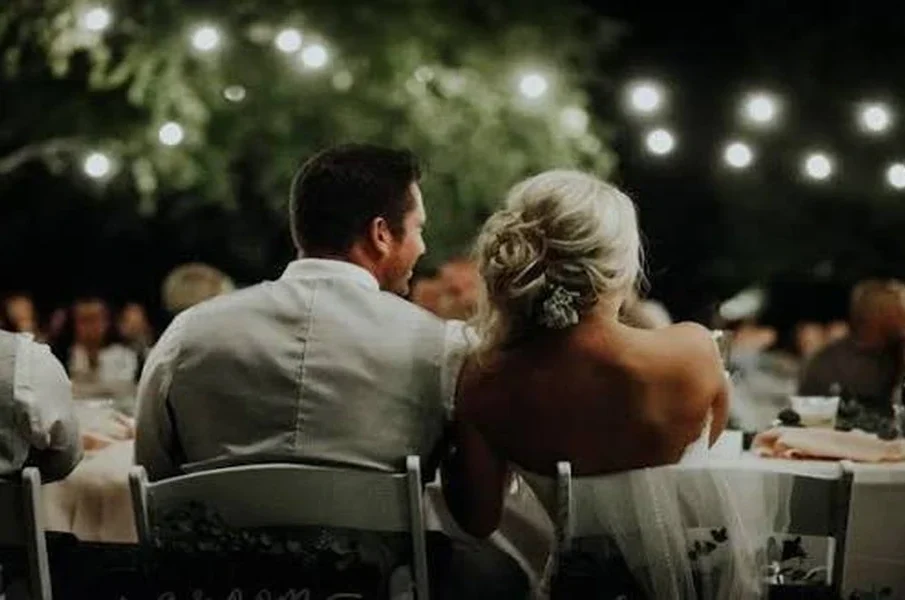
The season and the venue should always work together. A summer ceremony inside an air-conditioned ballroom allows different styling choices than an outdoor vineyard or beachfront celebration.
Think about sunlight, wind, humidity, uneven ground, and the amount of walking involved. These practical details often influence comfort just as much as the dress itself.
Comfort Leads to Confidence
Brides who feel physically comfortable almost always appear more relaxed in photographs. Lightweight fabrics, appropriate sleeve lengths, and breathable construction allow you to focus on enjoying the celebration instead of adjusting your gown throughout the day.
Final Thoughts
The perfect wedding dress should reflect more than your personal style-it should also suit the season in which your celebration takes place. Choosing fabrics, silhouettes, and details that complement the weather creates a bridal look that is not only beautiful but also practical from morning preparations to the final dance.
When style and season work together, elegance becomes effortless, and every moment of your wedding day feels just a little more comfortable.