Why Quality Matters When Buying A Good Quality Lump Crab Meat
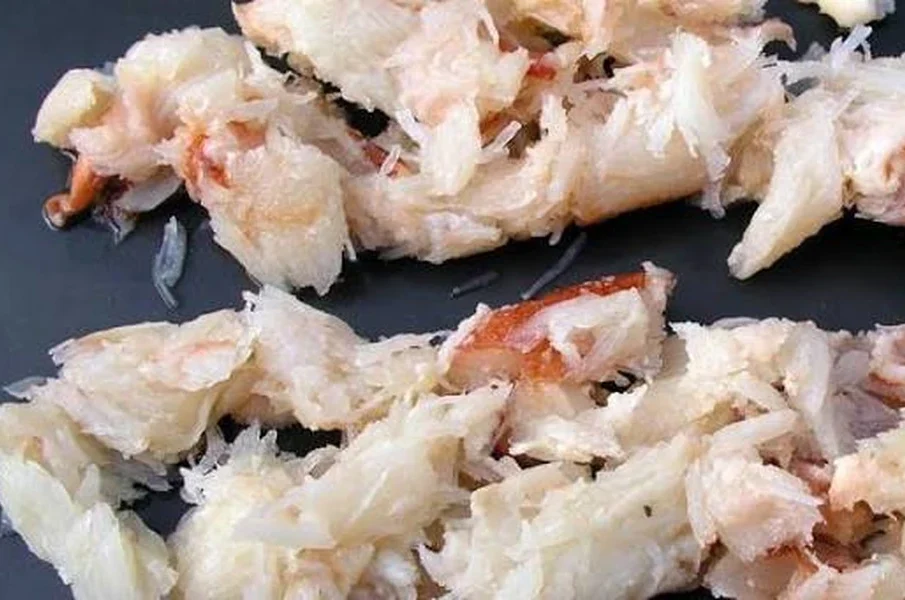
Premium seafood elevates home culinary preparations from simple meals to extraordinary feasts. Discerning chefs always inspect raw products closely to guarantee safety and superior flavor. Low-grade options frequently ruin a delicate recipe through excessive water weight or hidden shell fragments. Smart shoppers gain confidence when they discover the specific markers of genuine freshness and careful processing. This article outlines the essential criteria consumers examine to secure top-tier crustacean products for their kitchens.
Look for Premium Meat Grades
Crab products feature distinct classifications based on the specific section of the crustacean. For example, buyers can buy lump crab meat in two different sizes. One is larger and it contains a whole pieces are typically associated with higher-grade lump crab meat. While smaller broken pieces may indicate a different grade better suited for dips, soups, or crab cakes rather than dishes where large chunks are preferred.
Premium selections consist of large, whole muscles from the body cavities rather than shredded remnants. Elite processors minimize handling to preserve these delicate structures intact for the final culinary presentation. Superior grades contain virtually zero dark meat or unwanted shell particles.
Check Freshness and Packaging
Containers must possess airtight seals to prevent fluid leakage and bacterial contamination. High-quality vendors store inventory at precise temperatures just above the freezing point. Clear containers allow buyers to inspect the color and moisture level of the product directly. Fresh seafood exhibits a pristine white hue with bright red highlights along the outer edges. Any yellow tint or excessive milky fluid indicates a severe lack of freshness.
Review the Sourcing Standards
Responsible harvesters follow strict regulations to preserve aquatic populations and ocean habitats. Transparent distributors provide clear documentation regarding the exact origin of their catch.
The list below outlines the primary indicators of responsible coastal harvesting practices:
- Legitimate fisheries comply with regional catch limits to protect marine environments.
- Certified suppliers trace the product from the initial harvest vessel to the retail shelf.
- Independent agencies monitor operations to verify adherence to established environmental laws.
- Ethical operations prioritize local coastal communities to maintain balanced regional economies.
Compare Flavor and Texture
Genuine premium crab delivers a naturally sweet taste with subtle briny undertones. The muscle fibers hold their shape during delicate preparation methods like a gentle toss. Inferior options feel mushy and release excessive water upon contact with heat. Excellent meat requires minimal seasoning because the inherent profile carries the dish beautifully. True culinary enthusiasts notice a firm, succulent bite that signals masterful pasteurization.
Order from a Reputable Seafood Restaurant
Established dining venues maintain direct connections with elite coastal suppliers to secure the finest inventory. These professional kitchens manage high turnover rates, which ensures the absolute freshest product availability. Chefs apply rigorous quality control measures that surpass standard grocery inspection protocols. Patrons receive expertly handled seafood that remains under continuous temperature regulation. Trustworthy establishments openly share information about their delivery schedules and product freshness.
Evaluate Overall Product Quality Before Purchase
Savvy consumers realize that a successful seafood dish depends entirely on premium ingredient selection. A conscious evaluation process serves as a prime example of a purchasing decision based on quality rather than price alone. Smart buyers prioritize verified processing standards and visual appeal over promotional discounts. Consistent excellence in the raw material ensures a spectacular outcome for any culinary recipe.
The following list identifies the critical visual and tactile checks for seafood assessment:
- The meat pieces possess a firm structure that resists immediate collapse.
- Clean containers show no signs of denting, swelling, or broken safety seals.
- The aroma remains pleasant and reminds the sniffer of fresh ocean air.
- A brilliant white color dominates the container with zero gray discoloration.
Excellent culinary results demand a careful assessment of every raw ingredient. Home cooks must scrutinize harvest documentation, container seals, muscle size, and aromatic freshness prior to financial transactions. This deliberate inspection separates mediocre dishes from truly spectacular gourmet meals. Inspect seafood characteristics diligently at the market counter to protect your health and secure the best value. Exceptional meals reward individuals who look past cheap prices and demand top-tier food standards for their dinner tables.