Automotive Part Manufacturer for Durable and Precision Components
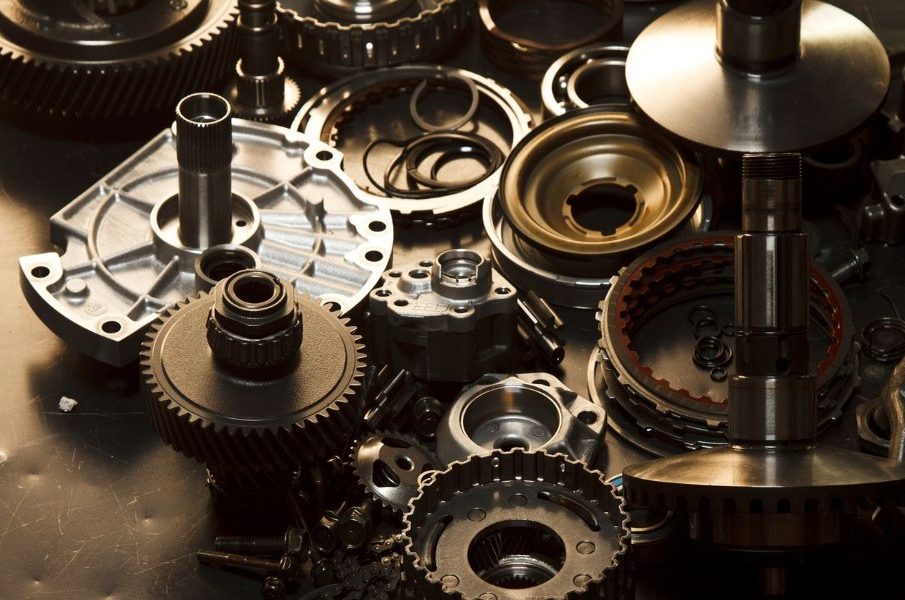
An automotive part manufacturer that serves global OEMs and tier one suppliers must deliver components that withstand extreme temperatures, repeated mechanical stress and corrosive environments while meeting tolerances measured in microns. AMT, headquartered in Singapore, produces precision automotive components through metal injection moulding, CNC machining and secondary finishing processes that meet the durability and dimensional standards the industry demands.
The Demands of Automotive Component Production
Cars and commercial vehicles contain thousands of metal parts. Turbocharger vanes rotate at speeds exceeding 150,000 revolutions per minute. Fuel injector nozzles meter fuel with a precision that affects emissions compliance. Seatbelt locking mechanisms must engage within milliseconds during a collision. Each of these components carries performance requirements that leave no margin for defective material or sloppy geometry.
Qualification and Standards
Automotive OEMs qualify their suppliers through rigorous audits covering process capability, quality systems, traceability and business continuity. The IATF 16949 standard, built on ISO 9001 with automotive specific requirements, sets the baseline. Suppliers that cannot demonstrate statistical control of their processes lose contracts to competitors that can.
AMT serves this market by combining its metal injection moulding expertise with a quality infrastructure designed for high volume, high consequence production.
Metal Injection Moulding for Automotive Applications
Many automotive components feature complex shapes that conventional machining produces only at high cost. Gear selector fingers, turbocharger variable geometry vanes, sensor housings and lock mechanism pawls all benefit from MIM’s ability to replicate intricate geometries in production volumes that reach millions of pieces per year.
The MIM Process
The MIM process starts with metal powder blended into a mouldable feedstock. Injection moulding shapes the feedstock into a green part that holds the component’s full geometry. Debinding removes the polymer binder, and sintering fuses the remaining metal powder into a dense component with mechanical properties close to wrought material.
Alloy Selection
For automotive applications, AMT works with alloys selected for specific performance envelopes:
- Low alloy steels like 4605 and 4140 deliver the hardness and fatigue resistance powertrain components require.
- Stainless steels serve exhaust and fuel system parts exposed to chemical corrosion.
- Nickel based alloys handle the extreme heat environment around turbochargers and exhaust gas recirculation valves.
Quality Systems and Process Control
Automotive quality standards punish variation. A component dimension that drifts by fifteen microns can cause assembly line stoppages at the OEM’s plant, triggering penalty charges and endangering future business. AMT counters that risk with statistical process control charts that track critical dimensions in real time across production shifts.
Coordinate measuring machines verify geometry on sample parts from each production lot. Destructive testing on witness coupons confirms density, hardness and tensile strength. When specifications call for specific surface treatments, AMT performs salt spray testing and metallographic cross sectioning to validate coating adhesion and thickness.
Mr S. Iswaran, then Singapore’s Minister for Transport and Trade Relations, remarked at an industry forum that “Singapore’s precision manufacturers have earned global trust because they treat quality as a system, not a slogan.” AMT’s quality team operates with that mindset, running quarterly management reviews that examine yield data, customer complaints and audit findings to drive measurable improvements.
Durability Testing and Validation
Automotive parts face a gauntlet of environmental and mechanical tests before OEMs approve them for series production. AMT supports its clients through that validation process by supplying prototype and pre production parts made with production intent tooling and materials, so test results reflect actual series conditions.
Environmental Test Methods
Key validation tests include:
- Vibration testing to simulate years of road surface exposure in a matter of days
- Thermal cycling that exposes parts to temperature swings from minus forty to over two hundred degrees Celsius
- Salt spray chambers that replicate coastal and winter road salt driving conditions
AMT’s automotive part manufacturing clients use these test results to build the evidence packages their own customers and regulatory agencies require for homologation.
When validation testing reveals a need for design or material changes, AMT’s engineering team works with the client to modify tooling or adjust process parameters. That collaborative approach shortens development loops compared to sending revision requests to a distant supplier.
Secondary Operations and Surface Treatments
Sintered MIM components often require post processing to reach final specifications. AMT operates in house CNC machining centres for features that demand tighter tolerances than the sintered part delivers out of the furnace. Thread tapping, bore finishing and datum surface grinding bring critical interfaces into specification without adding external suppliers to the chain.
Surface treatments protect automotive components against wear and corrosion over vehicle lifetimes that exceed fifteen years. AMT coordinates heat treatment, nickel plating, passivation and black oxide coating through qualified process partners, maintaining full traceability from raw powder to finished, coated part.
Supply Chain Reliability from Singapore
Singapore sits at a crossroads of shipping lanes that connect manufacturing hubs in China, Japan, South Korea and Southeast Asia with consumer markets in Europe and North America. AMT leverages that geographic position to ship automotive components with transit times that many competitors in lower cost locations cannot match when factoring in customs delays and logistics complexity.
The company maintains buffer inventory for high volume programmes, ensuring that demand spikes or shipping disruptions do not interrupt its clients’ assembly schedules. Raw material supply agreements with qualified powder producers secure feedstock availability months in advance, reducing the risk of shortages that plague manufacturers who buy on the spot market.
For automotive OEMs and tier one suppliers seeking an automotive part manufacturer with the process capability, quality systems and geographic advantages to support global programmes, AMT provides a production partnership rooted in precision engineering and reliable delivery.